
 By admin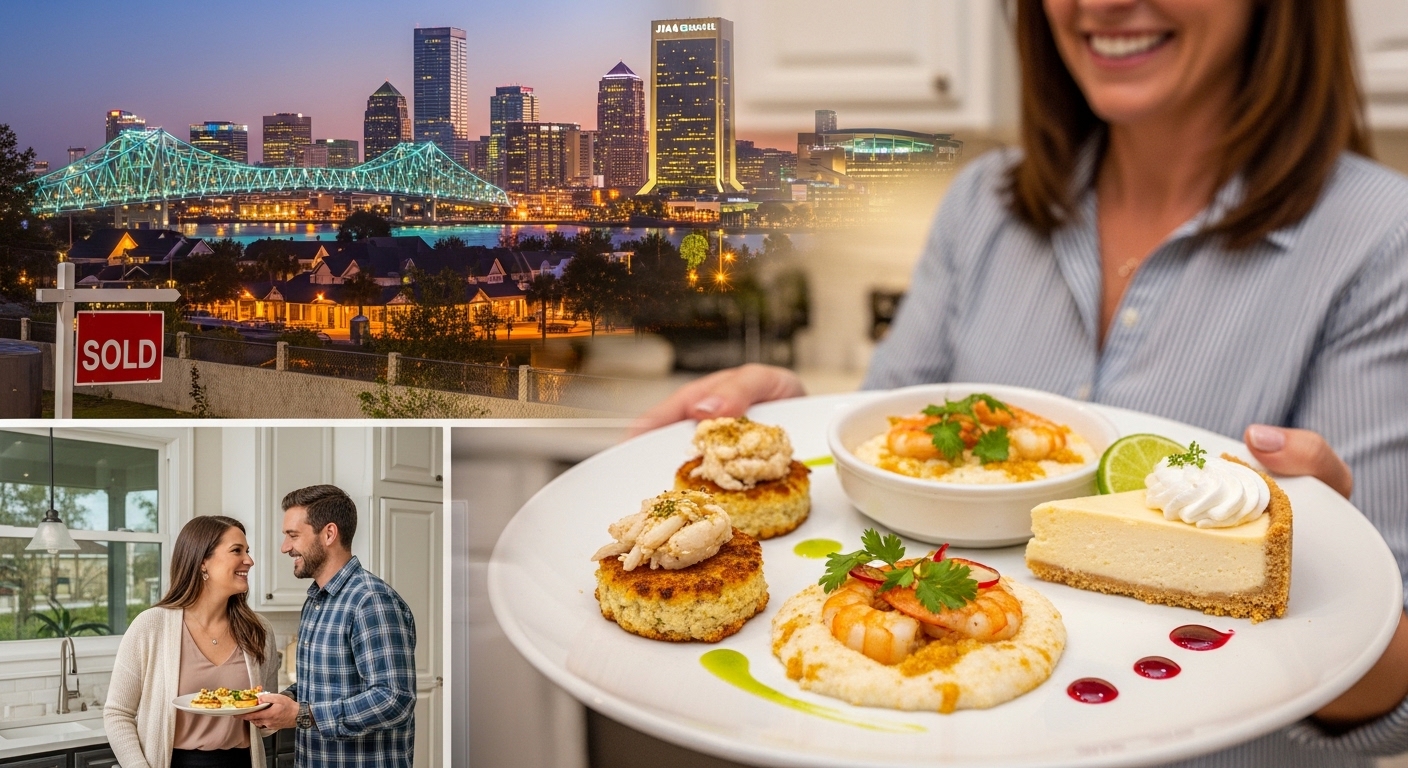
When people think of selling a home, they often focus on square footage, curb appeal, or mortgage rates. Yet in Jacksonville, Florida, there’s another powerful ingredient that shapes real estate value: flavor. The city’s vibrant food scene—spanning historic districts, bustling farmers’ markets, and coastal dining—has become a lifestyle asset that sellers can leverage. For globally minded buyers, Jacksonville’s culinary culture isn’t just about eating well; it’s about living well. And that makes food a surprisingly effective tool in boosting real estate appeal.
Jacksonville’s Culinary Neighborhoods
Riverside & Avondale: Known for its historic charm, Riverside is also home to eclectic eateries and craft breweries. Buyers drawn to this area aren’t just purchasing a house—they’re buying proximity to artisanal coffee shops, gastropubs, and the Riverside Arts Market, where food stalls showcase local flavors.
San Marco: This walkable neighborhood blends boutique shopping with upscale dining. From fine Italian restaurants to trendy wine bars, San Marco offers a cosmopolitan lifestyle that appeals to professionals and families alike. Homes here benefit from the neighborhood’s reputation as a cultural and culinary hub.
Jacksonville Beach: Coastal living comes with fresh seafood and oceanfront dining. Buyers envision weekends filled with fish tacos, beachside brunches, and sunset cocktails. For sellers, highlighting this lifestyle can make a property irresistible to those seeking both relaxation and flavor.
Food as a Real Estate Asset
Proximity to dining hubs, farmers’ markets, and food festivals directly influences buyer interest. A home near Riverside’s Saturday market or San Marco’s dining district carries intangible value: convenience, community, and culture. Just as walkability boosts property prices in major cities, access to Jacksonville’s food scene enhances desirability here.
For example, a young professional relocating from New York may be less concerned with square footage than with lifestyle. Knowing they can step outside and enjoy craft beer or farm-to-table dining makes a Jacksonville home more appealing. Even retirees, often seeking comfort and community, find reassurance in neighborhoods where food culture fosters social connection.
Lifestyle Marketing for Sellers
Savvy sellers are learning to market homes not just as physical spaces but as gateways to experiences. Staging a home with subtle nods to Jacksonville’s food culture—like showcasing a kitchen ready for entertaining or highlighting outdoor dining spaces—can spark buyer imagination.
Real estate listings can also emphasize proximity to culinary landmarks. Instead of simply stating “close to downtown,” sellers might highlight “walking distance to San Marco’s dining district” or “minutes from Riverside’s farmers’ market.” These lifestyle cues resonate with buyers who see food as part of their identity.
For homeowners considering quick transactions, even those exploring options like sell my house for cash in Jacksonville, weaving in lifestyle narratives can elevate the property’s perceived value. Cash buyers may be motivated by investment potential, but emphasizing a neighborhood’s food-driven appeal strengthens the case for long-term desirability.
Jacksonville as a Destination City
Jacksonville’s food scene doesn’t just serve locals—it attracts visitors and relocators. Digital nomads, drawn to affordable living and cultural vibrancy, see the city as a base where work and lifestyle intersect. Families relocating from other states find reassurance in neighborhoods with diverse dining options, from kid-friendly cafes to upscale restaurants. Retirees, too, are enticed by the idea of enjoying coastal seafood and community markets as part of their daily routine.
This broader appeal positions Jacksonville as more than a regional hub. It’s a destination city where food and real estate intersect, offering a lifestyle that blends Southern hospitality with global flavor. Sellers who understand this synergy can market homes not just as properties, but as entry points into a cultural experience.
Conclusion
Selling a home in Jacksonville is about more than square footage or curb appeal—it’s about flavor. The city’s culinary neighborhoods, bustling markets, and coastal dining culture create a lifestyle that buyers crave. By highlighting proximity to food hubs, staging homes with lifestyle cues, and weaving culinary narratives into listings, sellers can elevate their property’s appeal.
In a world where buyers seek experiences as much as investments, Jacksonville’s food scene offers a unique advantage. For homeowners, the recipe for success is clear: blend real estate strategy with cultural storytelling, and let flavor do the selling.