
 By admin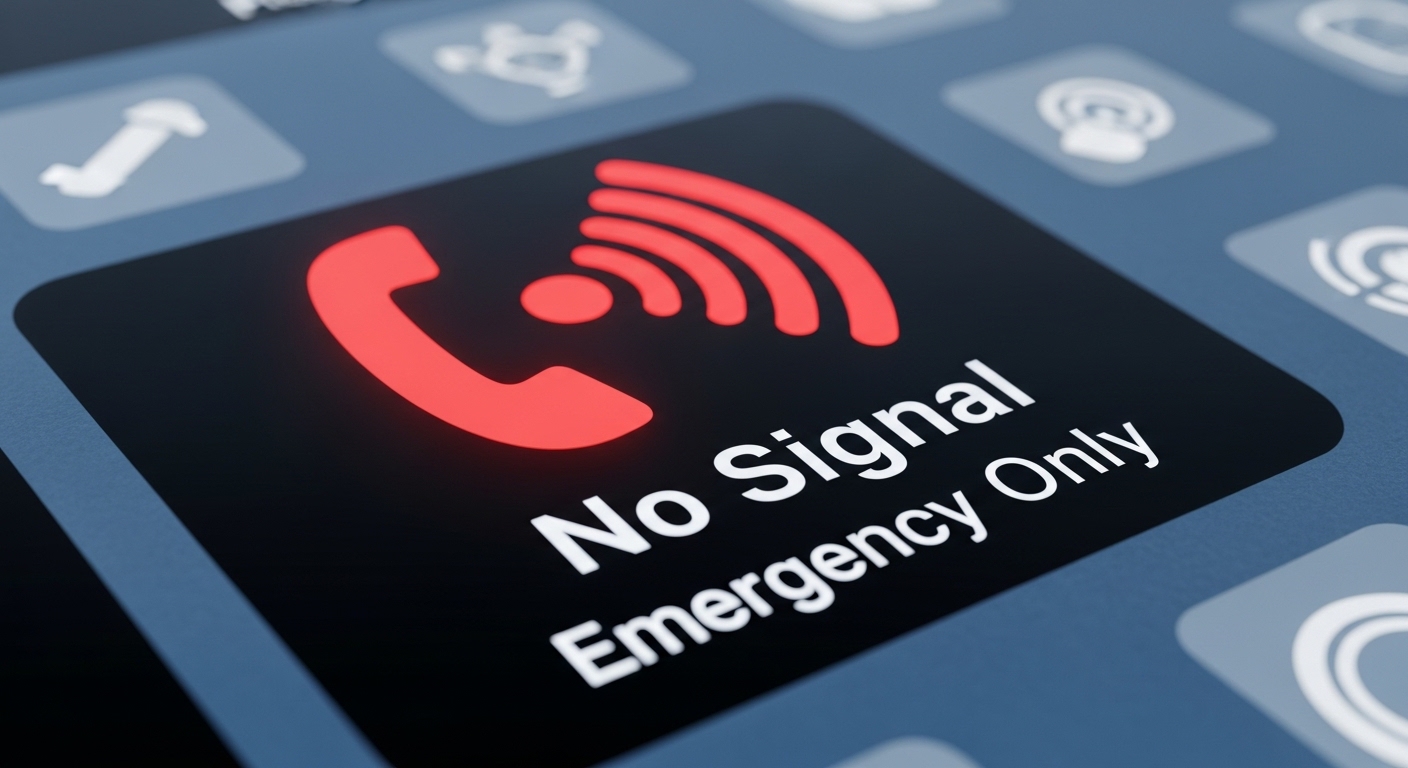
In a world where communication happens instantly and across multiple devices, visual indicators play a crucial role in helping users understand the status of their connections. One such indicator that often causes confusion or concern is the red phone signal. Whether it appears on a smartphone, a landline system, or a digital communication interface, this signal typically suggests that something is not functioning as expected.
For many users, seeing a red phone signal can be frustrating, especially when they rely on their devices for important calls, messages, or internet access. It often indicates a disruption in connectivity, but the exact meaning can vary depending on the device, operating system, or network provider. Understanding what this signal represents is essential for troubleshooting issues and restoring normal functionality.
The importance of recognizing and responding to such indicators has grown alongside the increasing reliance on digital communication. From personal conversations to professional interactions, maintaining a stable connection is more critical than ever.
Understanding the Meaning of the Red Phone Signal
The red phone signal generally serves as a warning indicator. It is designed to alert users when their device is experiencing a network connectivity or communication service issue. While the exact interpretation may vary across devices, the core idea remains the same: the device cannot establish or maintain a proper connection.
In many smartphones, a red signal icon may appear when there is no network coverage or when the device fails to connect to a cellular tower. On some systems, it may also indicate that airplane mode is enabled or that the SIM card is not functioning correctly.
In other communication devices, such as office phone systems or VoIP platforms, a red indicator can signal issues with server connections or account authentication. These variations highlight the importance of understanding the specific context in which the signal appears.
The table below outlines common meanings associated with this indicator across different devices:
| Device Type | Possible Meaning | User Impact |
|---|---|---|
| Smartphone | No network or SIM issue | Unable to make calls or use data |
| VoIP System | Server connection failure | Calls cannot be initiated |
| Landline System | Line disruption | Loss of communication |
| Messaging Apps | Connection error | Messages not sent or received |
By recognizing these meanings, users can better identify the root cause of the issue and take appropriate action.
Causes Behind Red Phone Signal
There are several reasons why a red phone signal may appear on a device. One of the most common causes is weak or отсутствует network coverage. This can occur in remote areas, underground locations, or buildings with thick walls that block signals.
Another frequent cause is a problem with the SIM card. If the card is damaged, improperly inserted, or not recognized by the device, the phone may display a red signal indicator. Similarly, software glitches or outdated system versions can interfere with connectivity.
Network outages also play a significant role. Service providers occasionally experience technical issues that temporarily disrupt communication services. During such times, multiple users in the same area may see similar indicators on their devices.
The following table summarizes common causes:
| Cause | Description | Effect on Device |
|---|---|---|
| Weak Signal | Poor network coverage | Limited or no connectivity |
| SIM Card Issue | Damaged or misaligned SIM | Network not detected |
| Software Problem | Bugs or outdated system | Connection errors |
| Network Outage | Service provider issue | Widespread disruption |
Understanding these causes helps users determine whether the issue is local or related to broader network conditions.
How Red Phone Signal Affects Communication
The appearance of a red phone signal can significantly impact communication. At its most basic level, it prevents users from making or receiving calls. This can be particularly problematic in emergencies when immediate communication is essential.
In addition to voice calls, other services may also be affected. Text messaging, mobile data, and app-based communication platforms often rely on network connectivity. When the signal is disrupted, these services may become unavailable or unreliable.
For businesses, the impact can be even greater. Communication interruptions can lead to missed opportunities, delayed responses, and reduced productivity. In professional settings, maintaining consistent connectivity is crucial for smooth operations.
The table below illustrates the impact on different communication functions:
| Function | Effect of Red Signal | Result |
|---|---|---|
| Voice Calls | Cannot connect | Missed conversations |
| Text Messages | Delivery failure | Communication delays |
| Internet Access | No data connection | Limited online activity |
| Business Systems | Service interruption | Reduced efficiency |
These effects highlight why it is important to address connectivity issues promptly.
Troubleshooting Red Phone Signal Issues
When encountering a red phone signal, users can take several steps to identify and resolve the issue. The first step is to check the device’s location. Moving to an area with better network coverage can often restore the signal.
Another important step is to inspect the SIM card. Removing and reinserting it carefully can help ensure proper alignment. If the problem persists, testing the SIM card in another device may help determine whether it is functioning correctly.
Restarting the device is a simple yet effective solution for many connectivity issues. This process refreshes system settings and can resolve temporary glitches. Updating the device’s software can also improve performance and compatibility with network systems.
The table below outlines common troubleshooting steps:
| Step | Action | Expected Outcome |
|---|---|---|
| Change Location | Move to open area | Improved signal strength |
| Check SIM Card | Reinsert or replace | Restored network access |
| Restart Device | Reboot system | Temporary issues resolved |
| Update Software | Install updates | Enhanced stability |
By following these steps, users can often resolve connectivity problems without requiring professional assistance.
Preventing Red Phone Signal Problems
While not all issues can be avoided, there are ways to reduce the likelihood of encountering a red phone signal. Choosing a reliable network provider is one of the most effective strategies. Providers with strong coverage areas are less likely to experience connectivity problems.
Keeping devices updated is another important factor. Software updates often include fixes for known issues and improvements in network performance. Regular maintenance, such as cleaning SIM card slots and avoiding physical damage, also helps maintain device functionality.
Users can also invest in signal boosters or Wi-Fi calling features, especially in areas with weak coverage. These solutions provide alternative ways to maintain communication when traditional signals are unreliable.
The Role of Technology in Signal Indicators
Modern technology continues to improve how devices communicate their status to users. The red phone signal is just one example of how visual indicators simplify complex technical information.
Advancements in user interface design have made it easier for individuals to understand and respond to connectivity issues. Icons, colors, and notifications provide immediate feedback, allowing users to take action quickly.
Future developments may include more detailed diagnostic tools integrated into devices. These tools could provide real-time insights into network conditions, helping users identify and resolve issues more efficiently.
Conclusion
The red phone signal is a powerful indicator that plays an essential role in modern communication systems. While it often signals a problem with connectivity, understanding its meaning and causes can help users respond effectively.
From weak network coverage to technical issues, various factors can trigger this warning. By recognizing these factors and applying simple troubleshooting steps, users can restore their connection and minimize disruptions.
As technology continues to evolve, the way we interpret and respond to such signals will become even more refined. For now, being informed and proactive remains the best approach to maintaining reliable communication in an increasingly connected world.