
 By admin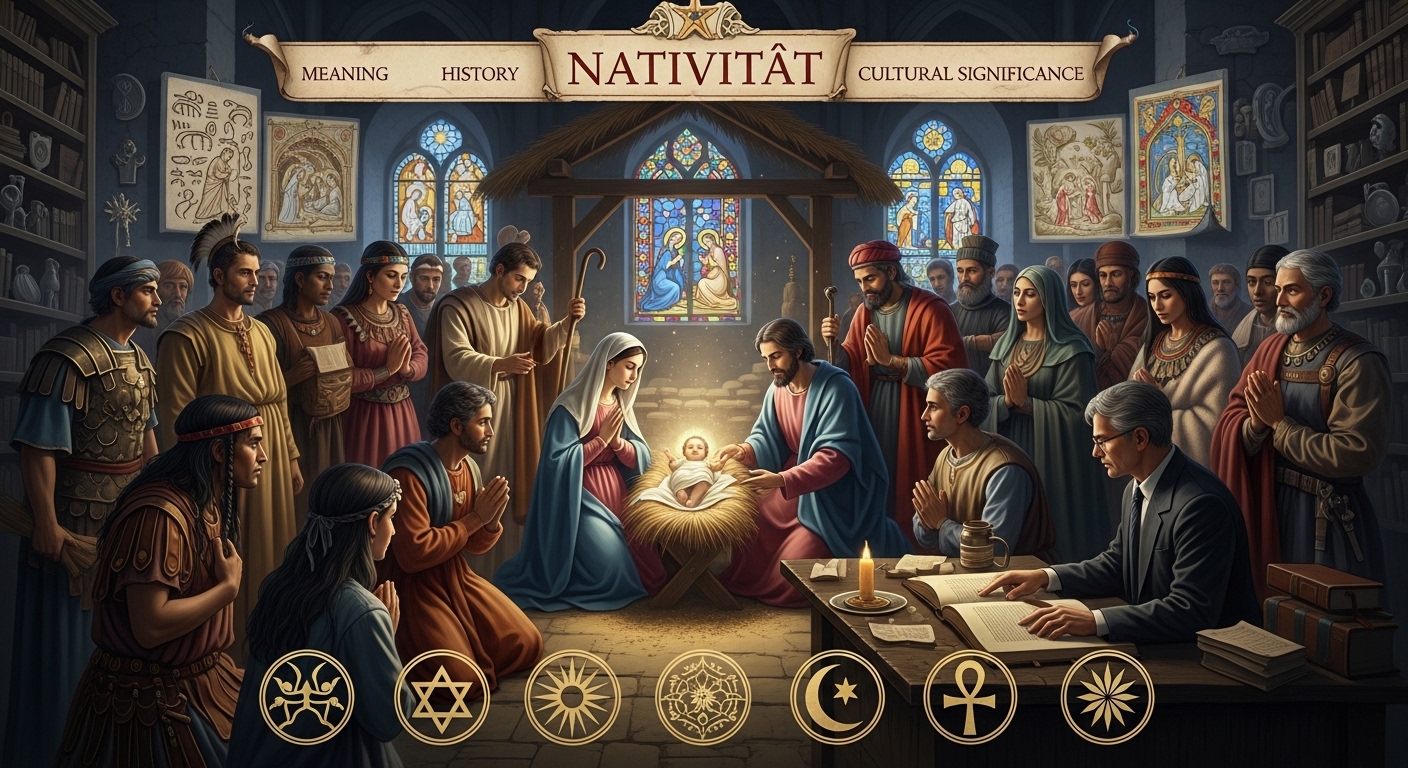
The word nativität carries deep historical, religious, and cultural meaning. Derived from the Latin term nativitas, meaning “birth,” nativität is most commonly associated with the birth of Jesus Christ in Christian tradition. However, beyond its religious context, the concept of nativity speaks to universal themes of origin, renewal, hope, and identity.
The Meaning of Nativität
Nativität translates to “nativity” in English and refers fundamentally to birth—especially a significant or sacred birth. In Christian theology, it specifically denotes the birth of Jesus in Bethlehem, an event celebrated globally during the Christmas season.
Yet the concept extends beyond one historical moment. Nativität represents beginnings. It reflects the arrival of life, the start of a journey, and the promise of transformation. In both religious and secular contexts, birth symbolizes potential and renewal.
This dual nature—both sacred and universal—gives nativität enduring relevance.
Historical Origins of the Nativity Story
The story of the Nativity is primarily drawn from the Gospels of Matthew and Luke in the New Testament of the Bible. According to these accounts:
-
Mary and Joseph traveled to Bethlehem.
-
Jesus was born in humble surroundings, often described as a stable.
-
Shepherds were informed of the birth by angels.
-
Wise men (Magi) followed a star to find the child.
Over centuries, these narratives were interpreted, expanded, and symbolically enriched. Early Christian communities commemorated the birth of Christ as a sign of divine presence entering the human world.
By the fourth century, December 25 became widely recognized as the official celebration of the Nativity in Western Christianity. Eastern Christian traditions sometimes observe it on different dates, reflecting variations in liturgical calendars.
Nativität in Art and Iconography
Few themes in art history have inspired as much creativity as the Nativity. From medieval frescoes to Renaissance masterpieces and modern sculptures, artists have reimagined the birth scene in countless ways.
Medieval Representations
In medieval Europe, nativity scenes were often symbolic rather than realistic. Artists emphasized spiritual meaning over physical detail. Gold backgrounds, halos, and stylized figures conveyed divine significance.
Renaissance Realism
During the Renaissance, artists such as Leonardo da Vinci, Sandro Botticelli, and Caravaggio introduced realism, perspective, and emotional depth. The Nativity became more human and relatable while retaining its sacred nature.
Modern Interpretations
Today, nativität appears in diverse forms—from minimalist sculptures to global reinterpretations reflecting various cultural traditions. Artists across continents depict the scene using local clothing, architecture, and symbolism, making the message universally accessible.
Through art, nativität transcends time and geography.
The Tradition of Nativity Scenes
One of the most beloved expressions of nativität is the nativity scene, also known as a crèche. This tradition began in the 13th century when Saint Francis of Assisi created a live nativity display to help people visualize the birth story.
Since then, nativity scenes have become a central part of Christmas celebrations worldwide.
Typical elements include:
-
The infant Jesus in a manger
-
Mary and Joseph
-
Shepherds
-
Angels
-
The Three Wise Men
-
Animals such as oxen and sheep
In many cultures, families display nativity sets in their homes. Public squares and churches often feature elaborate installations. These displays serve as visual reminders of humility, faith, and hope.
Spiritual Symbolism of Nativität
The significance of nativität extends beyond historical events. Spiritually, it represents light emerging from darkness.
Humility and Simplicity
The birth of Jesus in modest surroundings highlights themes of humility. Rather than being born in a palace, the setting emphasizes accessibility and equality.
Hope and Renewal
Nativität symbolizes new beginnings. For believers, it represents the arrival of salvation and the promise of peace.
Divine and Human Connection
The concept reflects the idea of divine presence entering human history. This union of sacred and ordinary life is central to Christian theology.
Even for those outside religious traditions, the symbolism of birth resonates deeply as a metaphor for change and growth.
Cultural Celebrations of Nativität
Christmas celebrations around the world center on the Nativity story, but traditions vary widely.
Europe
In many European countries, nativity plays are performed in churches and schools. Germany and Austria are known for handcrafted nativity figurines and Christmas markets featuring nativity displays.
Latin America
In Mexico and other Latin American nations, Las Posadas reenacts Mary and Joseph’s search for shelter. Communities gather in song and procession, culminating in joyful celebration.
Africa and Asia
Christian communities across Africa and Asia incorporate local music, dance, and artistic styles into Nativity celebrations, blending global faith with regional identity.
These diverse expressions demonstrate how nativität unites cultures while allowing unique interpretations.
Nativität Beyond Religion
Although deeply rooted in Christianity, the concept of nativität holds broader meaning.
Birth, as a universal human experience, carries emotional and symbolic weight across cultures. It represents:
-
Family and continuity
-
Identity and belonging
-
Transformation and growth
-
The cycle of life
In literature and psychology, birth imagery often symbolizes personal awakening or the beginning of a new chapter. Writers and philosophers have long used nativity metaphors to explore themes of rebirth and renewal.
The Role of Nativität in Contemporary Society
In today’s fast-paced and often divided world, the message of nativität continues to inspire reflection.
Many people view the Nativity season as a time to focus on:
-
Compassion
-
Generosity
-
Community
-
Gratitude
Charitable initiatives often increase during Christmas, reflecting the spirit of giving associated with the birth narrative.
Even in secular settings, holiday traditions emphasize togetherness and kindness—values rooted in the deeper meaning of nativität.
Literary and Musical Influence
The Nativity story has inspired countless works of literature and music.
Hymns and Carols
Songs such as “Silent Night” and “O Holy Night” capture the emotional depth of the birth scene. These carols are sung in many languages, demonstrating the theme’s global reach.
Poetry and Prose
Writers throughout history have reflected on nativität as a symbol of innocence and promise. From medieval mystery plays to modern novels, the birth narrative continues to shape storytelling traditions.
The enduring appeal lies in its simplicity and emotional resonance.
Philosophical Reflections on Birth and Origin
Philosophically, nativität prompts deeper questions about origin and purpose. Birth marks the entry into existence, raising inquiries about identity and destiny.
Across belief systems, origin stories serve as foundational narratives. They explain beginnings, establish meaning, and connect individuals to larger communities.
In this way, nativität functions both as a specific religious event and as a universal symbol of human experience.
Why Nativität Still Matters
In a world shaped by rapid technological change and social complexity, ancient stories may seem distant. Yet nativität remains relevant because it addresses timeless human concerns.
It speaks of:
-
Vulnerability and strength
-
Darkness and light
-
Struggle and hope
-
Simplicity and profound meaning
The image of a child born into humble circumstances continues to inspire empathy and reflection.
Conclusion
Nativität, meaning nativity or birth, carries layers of historical, artistic, spiritual, and cultural significance. Rooted in the Christian celebration of Jesus’ birth, it has grown into a universal symbol of beginnings and renewal.
From Renaissance paintings to modern nativity scenes, from sacred hymns to philosophical reflection, the theme endures across centuries and cultures. It reminds humanity of shared origins and the enduring power of hope.
Ultimately, nativität is more than a historical event—it is a symbol of possibility. It invites individuals and communities to reflect on the meaning of birth, the promise of change, and the light that can emerge even in the most humble circumstances.