
 By admin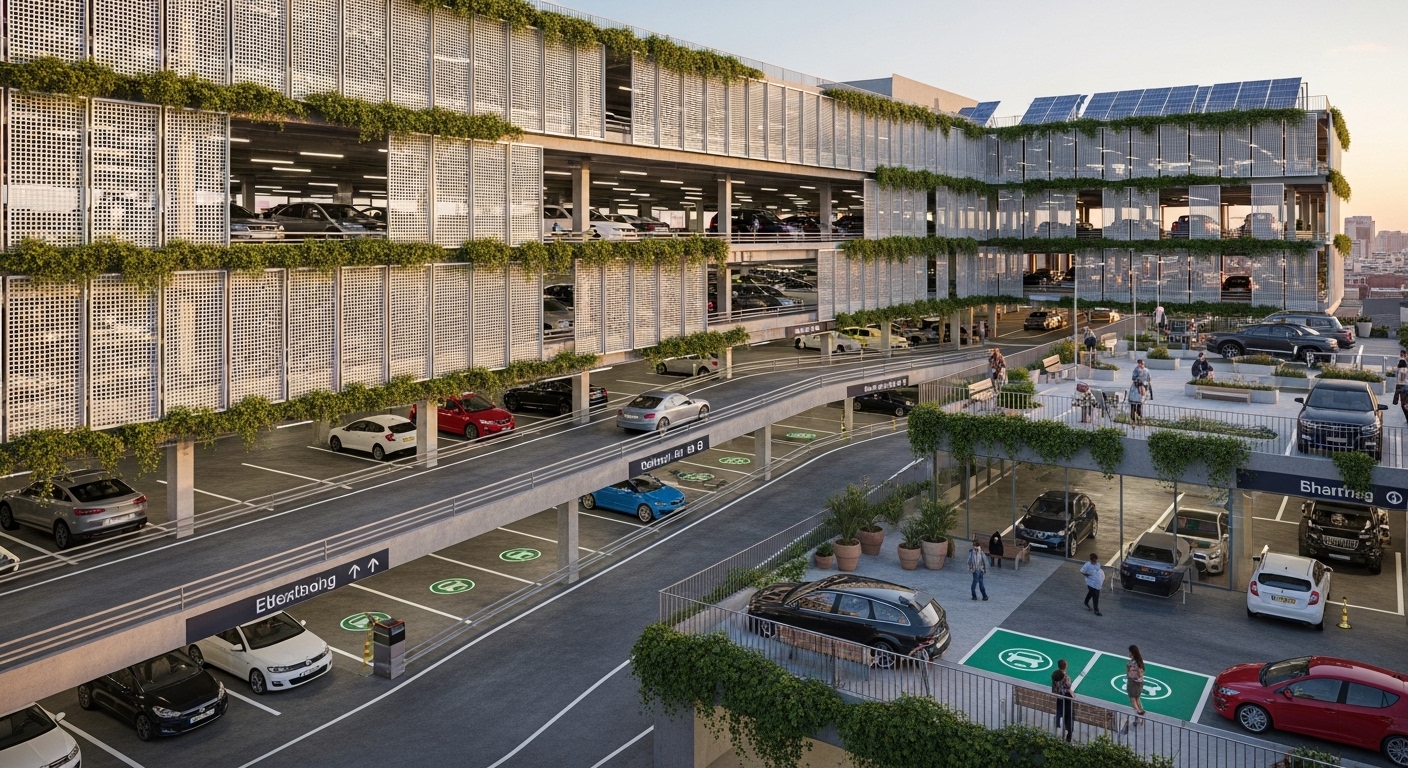
Experts are introducing modern changes to parking lots, and these help streamline vehicle movement and enhance user safety in busy environments. Digital tools such as smart sensors and occupancy-tracking systems provide real-time data that allow management teams to control parking space allocation. Design innovations in urban parking garages may include:
Real-Time Occupancy Sensors
Real-time occupancy sensors may use ultrasonic or infrared signals to detect vehicles and instantly transmit vacancy status to a central server. They provide an accurate account of the available parking spaces. Some sensors are integrated with mobile applications to provide users with information on where to find a spot.
Smart sensors enable garage operators to maximize space utilization, and this allows a single lot to serve more vehicles. Sensors identify underutilized areas within a facility, enabling management to verify which sections can accommodate more vehicles. Continuous data collection through the sensors helps identify peak usage and long-term activity trends. Managers can use this information to adjust their staffing schedules.
Digital Reservation Platforms
Digital reservation platforms bridge the gap between physical infrastructure and mobile technology. Drivers can use these applications to locate nearby facilities and secure a spot before their arrival. The system functions by synchronizing a web-based interface with a garage’s internal inventory management system to support booking. Once a user selects a location and time, the system may generate a unique digital pass stored on a smartphone.
When the vehicle arrives at the facility, the digital platform interacts with the entry hardware to grant access. Parking garages that utilize license plate recognition technology help identify the authorized vehicle automatically. In some cases, the driver scans their QR code at a self-service kiosk to trigger the gate. This automated communication between the reservation software and the physical barrier helps hold the stall exclusively for the user. After entry, the platform updates the facility’s total occupancy counts in real time.
Modern Lighting Systems
Modern lighting addresses the physical limitations of dimly lit environments. These systems utilize high-output features to create bright, uniform illumination. This architectural choice is innovative since it may function as a proactive security feature; it promotes increased visibility, which naturally deters vandalism and unauthorized activity. Professionals can integrate modern lighting with motion-detection surveillance to maintain a high level of oversight within the facility.
Energy-efficient lighting upgrades support the operational longevity of the parking garage by reducing maintenance needs. Many modern fixtures are designed to last longer than older bulbs, preventing frequent outages. These lights complement the garage’s architectural design, and they create a clean, professional atmosphere that reflects high modern parking standards.
Angled Parking Layouts
Angled parking layouts modernize urban garage operations, replacing perpendicular stalls with spaces set at an acute angle to driving lanes. These layouts serve the following functions:
- Maximizing vehicle capacity
- Streamlining traffic flow
- Simplifying vehicle positioning
- Clarifying driving directions
The layouts support space optimization by allowing developers to fit more stalls into narrow or oddly shaped floor plans. By positioning vehicles at an angle, the design reduces the minimum width of the driving aisles. This adjustment creates extra room for additional parking rows. The layout helps improve operational flow; this establishes a more natural path for vehicles to follow. When a driver encounters an angled space, they do not have to perform a wide turn during entry. Angled parking can be paired with directional striping and pavement arrows to guide drivers toward a specific exit. The angle of the stall dictates a one-way traffic pattern, reducing the risk of head-on encounters.
Compact-Only Parking Zones
Designers may implement compact-only sections to capture usable space that would otherwise be wasted in a traditional perpendicular layout. They create zones specifically for smaller cars to navigate tight corners or areas near structural columns. This strategy helps boost the number of available stalls within the existing footprint; these specialized designs contribute to a safer and more orderly traffic flow throughout the facility. When smaller vehicles are directed to these compact areas, the wider lanes remain open for larger SUVs and trucks. This helps prevent congestion caused by overhangs or tight squeezes.
Explore Parking Garages
Innovative designs enable more drivers to park at a facility, and they can enter and exit in a streamlined process. Some garages include emergency call stations to integrate active communication directly into the facility’s safety framework. Security cameras mounted in the garage provide full coverage of stalls and walkways, enabling continuous oversight. Contact a reputable professional parking manager to learn more about their services.