
 By admin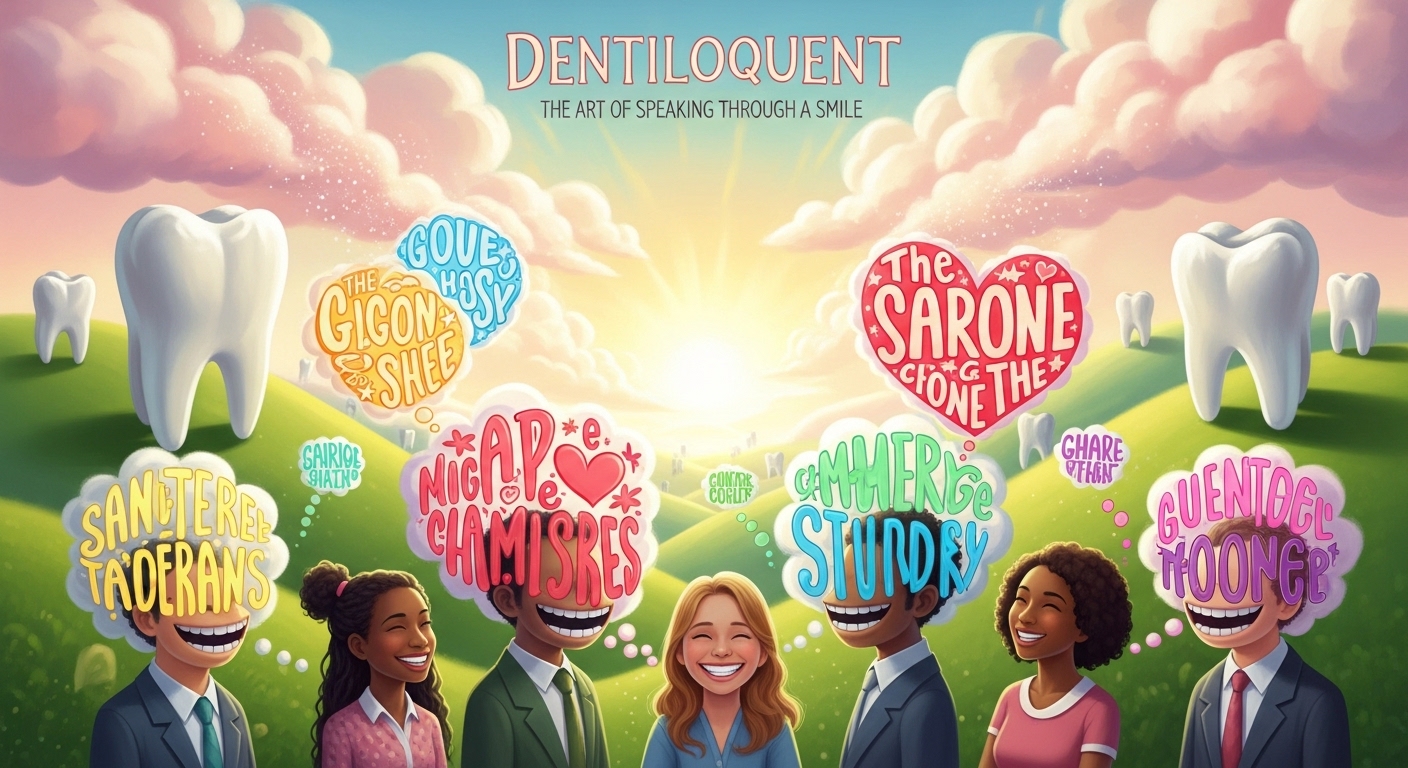
Language is constantly evolving. New words appear, old words take on fresh meaning, and sometimes a rare term quietly carries a powerful idea. One such fascinating word is dentiloquent. It may not be part of everyday vocabulary, but its sound and structure immediately spark curiosity. What does it mean? Where does it come from? And why does it feel so expressive?
Dentiloquent combines imagery and language in a way that feels almost poetic. At its core, it suggests the act of speaking through the teeth — or more broadly, expressing something in a restrained, tight, or subtly controlled manner. Yet beyond its literal suggestion, the word carries emotional nuance. It paints a picture of tension, diplomacy, frustration, or even sarcasm — all communicated through carefully chosen words and controlled delivery.
The Meaning Behind Dentiloquent
The word dentiloquent can be broken into two linguistic roots:
-
“Denti”, derived from Latin dens, meaning tooth
-
“Loquent”, from loqui, meaning to speak
Together, they create an image of someone speaking through their teeth. But language is rarely just literal. Speaking through one’s teeth often implies restraint — holding something back, managing emotions, or delivering words in a controlled, sometimes tense way.
Imagine someone smiling politely while expressing disagreement. Their words are calm, but there’s tightness beneath the surface. That is dentiloquent communication — measured, controlled, and layered.
Dentiloquent in Everyday Life
We’ve all encountered moments that call for dentiloquent speech. Perhaps during a professional meeting when emotions must be carefully managed. Maybe in a social setting where honesty needs to be softened. Or even during conflict, when anger is present but must be filtered through composure.
Examples include:
-
Responding to criticism with forced politeness
-
Delivering firm feedback while maintaining professionalism
-
Expressing frustration without raising your voice
-
Smiling while disagreeing
In these situations, communication becomes strategic. Tone, facial expression, and word choice are carefully balanced. The message may be clear, but it is delivered with tension beneath the surface.
The Psychology of Dentiloquent Communication
Dentiloquent expression often arises from emotional regulation. Human beings are complex; we experience strong feelings, but society frequently requires us to manage how those feelings are displayed.
Psychologists refer to this as emotional regulation — the ability to influence how we experience and express emotions. When someone speaks in a dentiloquent manner, they may be:
-
Suppressing anger
-
Masking discomfort
-
Controlling sarcasm
-
Exercising diplomacy
This type of speech can signal self-control and professionalism. However, if overused, it can also indicate unresolved tension or avoidance of honest expression.
The key lies in balance. Dentiloquent communication can be a powerful tool when used intentionally and sparingly.
Dentiloquent in Professional Environments
Workplaces are prime environments for dentiloquent dialogue. Office dynamics require diplomacy, emotional intelligence, and careful wording.
Consider these scenarios:
-
A manager delivering critical performance feedback with a polite smile.
-
An employee responding to unfair criticism while maintaining composure.
-
Negotiators discussing high-stakes contracts while hiding frustration.
In such cases, speaking through one’s teeth is not weakness — it is strategy. It protects relationships, maintains professionalism, and prevents unnecessary escalation.
However, consistent dentiloquent behavior in workplaces can sometimes create passive-aggressive cultures if underlying issues remain unaddressed.
The Social Dimension of Dentiloquent Speech
Social interactions often require subtlety. Friendships, family relationships, and community interactions are rarely black-and-white. Dentilo-quent communication may appear when:
-
Someone avoids direct confrontation
-
A person masks disappointment
-
Sarcasm is delivered with a smile
-
Boundaries are expressed cautiously
In these moments, speech becomes layered. The words may seem calm, but tone and facial expression reveal deeper emotion.
Understanding dentilo-quent cues can improve emotional intelligence. It helps us recognize when someone’s words do not fully reflect their internal state.
Cultural Influences on Dentiloquent Expression
Different cultures view emotional expression differently. In some societies, open confrontation is discouraged. Politeness and restraint are valued. In such contexts, dentiloquent speech may be common and socially acceptable.
In contrast, cultures that prioritize direct communication may interpret dentilo-quent behavior as evasive or insincere.
Cultural norms shape how we interpret tone, facial expression, and emotional restraint. Recognizing this diversity prevents misunderstandings in cross-cultural communication.
Dentiloquent vs. Passive-Aggressive Communication
Although similar, dentilo-quent speech is not always passive-aggressive. The difference lies in intention.
-
Dentiloquent communication involves controlled expression, often to maintain harmony.
-
Passive-aggressive communication hides hostility behind indirect behavior.
Dentiloquent speech can be respectful and strategic. Passive aggression, however, aims to express negativity without accountability.
Understanding the distinction allows for healthier communication practices.
When Dentiloquent Speech Becomes Harmful
While emotional restraint can be beneficial, constant suppression may lead to internal stress. Bottling emotions behind a tight smile can create:
-
Increased anxiety
-
Resentment
-
Miscommunication
-
Relationship strain
Healthy communication requires occasional vulnerability and honesty. Being perpetually dentilo-quent may prevent authentic connection.
The goal is not to eliminate restraint but to balance it with open dialogue.
The Subtle Power of Nonverbal Signals
Dentiloquent speech is rarely just about words. It includes nonverbal elements such as:
-
Jaw tension
-
Forced smiles
-
Controlled breathing
-
Slight changes in tone
Humans are remarkably skilled at detecting these subtle signals. Even if we cannot articulate it, we often sense when someone is speaking through clenched teeth.
This interplay between verbal and nonverbal communication highlights how complex human interaction truly is.
Dentiloquent in Literature and Storytelling
Writers often use dentiloquent dialogue to reveal character depth. A character who speaks calmly while hiding anger creates dramatic tension.
For example:
-
A villain politely threatening a rival.
-
A protagonist masking heartbreak during confrontation.
-
A leader maintaining composure in crisis.
Such dialogue enriches storytelling. It shows emotional complexity without overt drama.
Emotional Intelligence and Dentiloquent Awareness
Developing awareness of dentiloquent tendencies can improve personal growth. Ask yourself:
-
Am I expressing my true feelings?
-
Am I using restraint constructively or avoidantly?
-
Is my communication fostering clarity or confusion?
Self-reflection encourages healthier patterns. Emotional intelligence involves knowing when to speak gently and when to speak honestly.
Transforming Dentiloquent Moments into Growth
Instead of viewing dentilo-quent speech negatively, consider it a signal. It may indicate that something needs attention.
Constructive steps include:
-
Scheduling calm, open conversations
-
Expressing emotions clearly without hostility
-
Practicing assertive communication
-
Seeking mutual understanding
Restraint has its place, but transparency strengthens relationships.
Why Dentiloquent Is a Word Worth Knowing
Language shapes awareness. Having a term like dentiloquent allows us to name a subtle experience. It captures a specific emotional nuance that many of us have felt but struggled to describe.
Words expand perception. By understanding dentiloquent communication, we gain insight into ourselves and others.
It reminds us that speech is rarely just about vocabulary. It is about tone, tension, context, and intention.
Final Thoughts
Dentiloquent is more than a rare linguistic curiosity. It represents a universal human experience — the delicate balance between honesty and restraint. We all encounter moments when emotions press against composure, when smiles conceal tension, and when words must be chosen carefully.
Used wisely, dentiloquent communication demonstrates maturity and control. Overused, it may signal suppressed feelings and unresolved conflict. The key lies in awareness and balance.
In a world that values both authenticity and diplomacy, understanding dentiloquent expression helps us navigate conversations with greater sensitivity and intelligence. Sometimes, the tightest smiles carry the deepest stories — and recognizing that truth makes us better communicators and more empathetic listeners.