
 By admin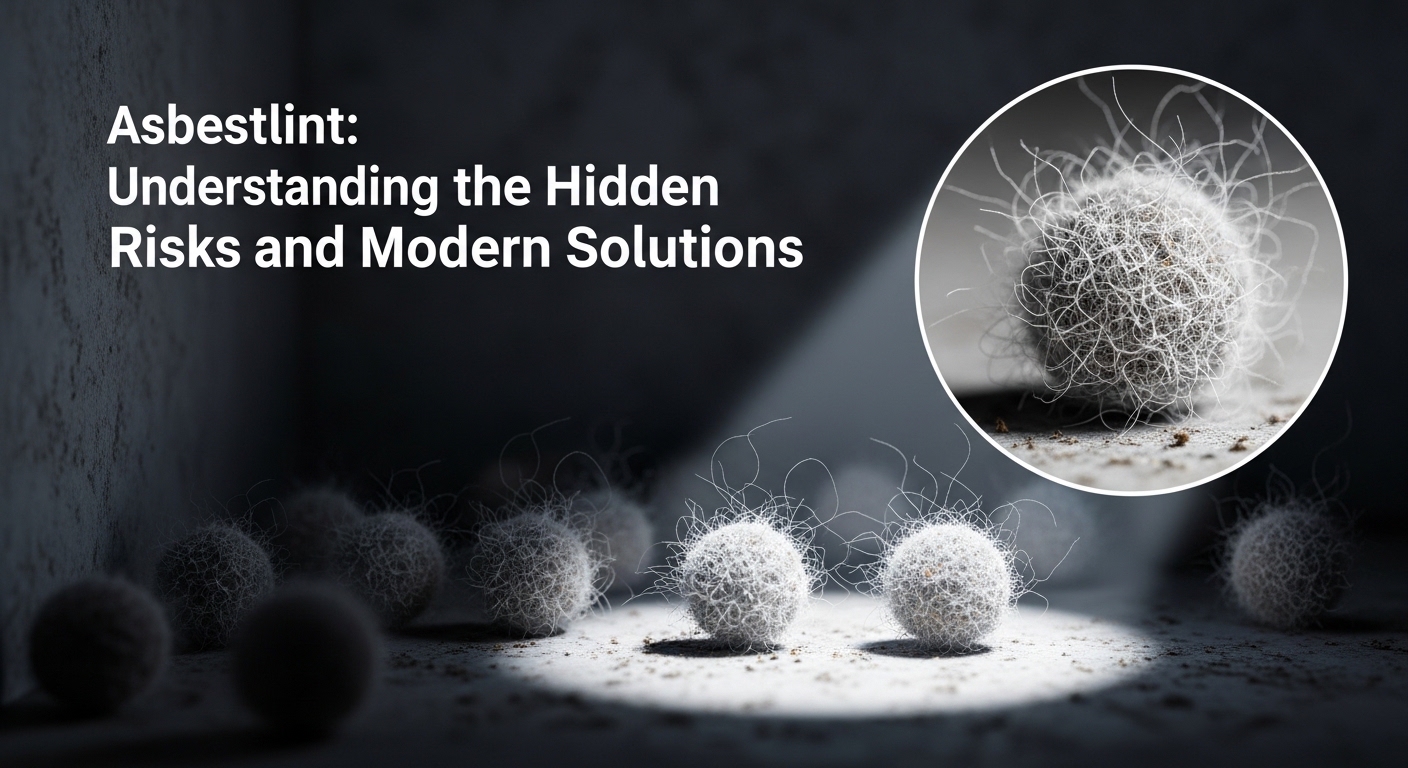
Asbestlint is a term that refers to fibrous dust or lint-like particles produced from materials containing asbestos. These tiny fibers can become airborne and pose serious health risks when inhaled. Although asbestos was once widely used in construction, manufacturing, and insulation, its dangers have become widely recognized over the past few decades. As a result, many countries have implemented strict regulations regarding its use, handling, and removal.
Despite these restrictions, materials containing asbestos can still be found in older buildings and industrial environments. When such materials deteriorate or are disturbed, they can release particles known as asbestlint. Understanding what this substance is, where it comes from, and how it can be managed is essential for protecting public health and ensuring safe living and working environments.
What Is Asbestlint?
Asbestlint refers to small, thread-like particles that originate from asbestos-containing materials. These particles can form when asbestos products degrade over time or when they are cut, drilled, or broken during renovation or demolition activities. Because the fibers are extremely lightweight, they can remain suspended in the air for long periods.
The danger of these fibers lies in their microscopic size. Once airborne, they can easily be inhaled without being noticed. Over time, repeated exposure can lead to serious respiratory diseases. This is why the presence of asbestos fibers in dust or lint form is considered a significant health hazard.
Historical Use of Asbestos Materials
To understand the origins of asbestlint, it is important to look at the historical use of asbestos. Throughout much of the twentieth century, asbestos was considered a “miracle material.” It was valued for its heat resistance, durability, and insulating properties.
Asbestos was used in a wide range of products, including:
-
Insulation for pipes and boilers
-
Roofing shingles and siding
-
Floor tiles and adhesives
-
Fireproof fabrics and protective clothing
-
Cement products and construction materials
Because it was inexpensive and effective, asbestos became a common component in buildings, ships, factories, and homes. However, as scientific research progressed, the severe health risks associated with inhaling asbestos fibers became clear.
How Asbestlint Forms
Asbestlint forms when materials containing asbestos begin to break down or are disturbed. This process can occur in several ways.
Natural Aging of Materials
Over time, asbestos-containing products can deteriorate due to age, temperature changes, and environmental exposure. As these materials weaken, small fibers may detach and accumulate as lint-like dust.
Construction and Renovation
Building renovation or demolition is one of the most common causes of asbestos fiber release. When workers cut, sand, or remove old materials, microscopic fibers may be released into the surrounding air.
Mechanical Damage
Physical impacts, drilling, or scraping can also cause asbestos products to release fibers. Even minor disturbances can generate particles if the materials are brittle or damaged.
Improper Removal
When asbestos materials are removed without proper safety procedures, fibers can spread throughout the environment. This can contaminate nearby surfaces, clothing, and ventilation systems.
Health Risks Associated With Asbestlint
The most serious concern about asbestos fibers is their impact on human health. When inhaled, these fibers can become lodged in lung tissue and remain there for many years.
Exposure to asbestos fibers has been linked to several serious diseases.
Asbestosis
Asbestosis is a chronic lung condition caused by inhaling asbestos fibers. The fibers cause inflammation and scarring in lung tissue, which gradually reduces lung function. People with this condition often experience shortness of breath, persistent coughing, and fatigue.
Mesothelioma
Mesothelioma is a rare but aggressive cancer that affects the lining of the lungs or abdomen. It is strongly associated with exposure to asbestos fibers. Unfortunately, symptoms often appear decades after exposure, making early detection difficult.
Lung Cancer
Long-term exposure to asbestos can significantly increase the risk of lung cancer. This risk is even higher for individuals who smoke.
Pleural Disorders
Asbestos exposure may also lead to pleural plaques, thickening of lung membranes, and fluid buildup around the lungs.
These health conditions demonstrate why the presence of asbestos fibers, including asbestlint, is treated with extreme caution.
Where Asbestlint May Be Found
Asbestos fibers may still be present in various environments, particularly in older buildings constructed before strict regulations were introduced. Some common locations include:
-
Old residential homes
-
Schools built before the 1980s
-
Industrial factories
-
Shipyards and maritime vessels
-
Heating and ventilation systems
-
Old insulation materials
Even if asbestos materials appear stable, they can still pose a risk if they begin to deteriorate or are disturbed.
Recognizing Potential Warning Signs
Identifying asbestos fibers with the naked eye is extremely difficult because they are microscopic. However, certain signs may indicate a possible presence of asbestos-containing materials.
These signs include:
-
Crumbling insulation around pipes
-
Old textured ceiling coatings
-
Damaged floor tiles or adhesives
-
Dust accumulation near deteriorating building materials
If any of these signs appear in older structures, professional inspection is recommended.
Safety Measures for Handling Asbestlint
Handling materials that may release asbestos fibers requires specialized knowledge and protective measures. Attempting to clean or remove suspected asbestos materials without proper training can increase exposure risks.
Some important safety practices include:
Professional Inspection
Certified inspectors can analyze building materials and determine whether asbestos is present. Laboratory testing is often required to confirm the presence of fibers.
Controlled Removal
If asbestos materials need to be removed, trained professionals use containment procedures, specialized equipment, and protective clothing to minimize fiber release.
Air Monitoring
Air testing can detect airborne fibers and ensure that safety levels remain within regulated limits.
Proper Disposal
Asbestos waste must be sealed and transported to designated disposal facilities to prevent environmental contamination.
These precautions are necessary to ensure that asbestos fibers do not spread beyond the controlled work area.
Regulations and Global Awareness
Asbestos regulations vary by country, but many governments have established strict guidelines for handling and removing asbestos-containing materials. These regulations are designed to protect workers, residents, and the environment.
Typical regulations may include:
-
Licensing requirements for asbestos removal contractors
-
Mandatory protective equipment for workers
-
Air quality monitoring during removal projects
-
Proper labeling and containment of hazardous materials
Public awareness campaigns have also played an important role in educating communities about the risks associated with asbestos exposure.
Modern Alternatives to Asbestos
As the dangers of asbestos became widely recognized, industries began searching for safer alternatives. Today, many modern materials provide similar benefits without the health risks.
Some commonly used alternatives include:
-
Fiberglass insulation
-
Mineral wool
-
Cellulose-based insulation
-
Ceramic fiber products
-
High-temperature resistant polymers
These materials offer fire resistance and insulation properties while avoiding the harmful effects associated with asbestos fibers.
The Importance of Responsible Building Maintenance
For property owners and building managers, maintaining safe environments requires ongoing attention to potential asbestos risks. Regular inspections, proper maintenance, and careful renovation planning can significantly reduce the likelihood of fiber release.
If asbestos-containing materials are in good condition and left undisturbed, they may not pose an immediate risk. However, once deterioration begins, professional evaluation becomes essential.
Taking proactive measures ensures that older structures remain safe for occupants and workers alike.
The Role of Education and Awareness
Education plays a crucial role in preventing asbestos-related health problems. Workers in construction, demolition, and maintenance industries must receive proper training on identifying and handling potentially hazardous materials.
Public awareness also helps individuals make informed decisions when renovating older homes or purchasing properties built during the era when asbestos was widely used.
The more people understand about asbestos fibers and their risks, the better equipped they are to protect themselves and their communities.
Looking Toward a Safer Future
Although asbestos use has declined significantly in many parts of the world, its legacy still exists in older infrastructure. Managing that legacy responsibly is essential for protecting public health.
Through improved regulations, professional removal services, and safer alternative materials, society continues to reduce the risks associated with asbestos exposure.
The concept of asbestlint highlights the importance of understanding how even small particles can have significant consequences. By remaining informed and following proper safety procedures, individuals and organizations can prevent exposure and create safer environments for future generations.
In the end, awareness, caution, and responsible action are the most powerful tools for addressing the challenges posed by asbestos fibers and ensuring a healthier world for everyone.