
 By admin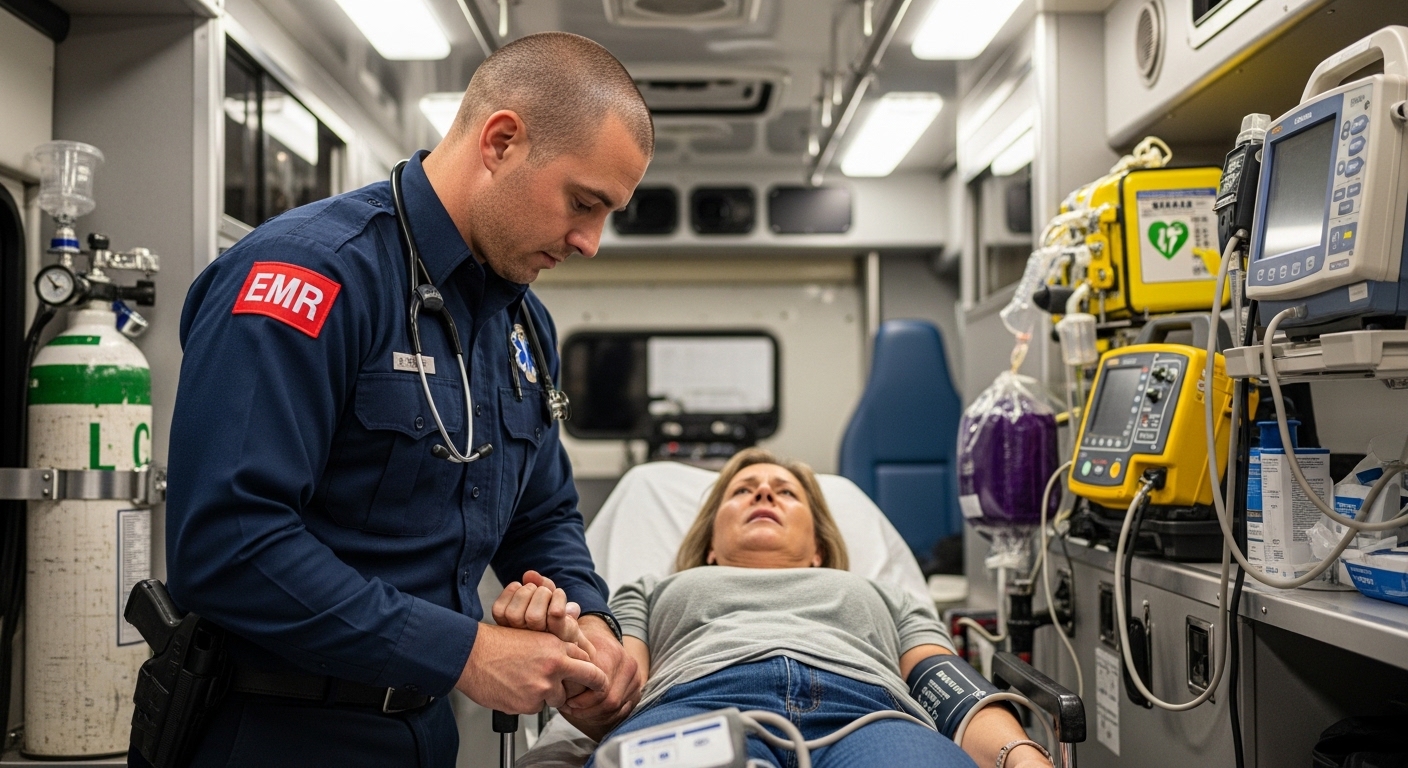
Every 911 call is answered by someone who trained for it. Behind every ambulance that pulls up in time, there’s a certified professional who chose to be ready before the emergency happened. If you’ve ever felt that pull — the instinct to be the person who helps — then pursuing an EMR certification might be one of the most meaningful decisions you’ll ever make.
Here’s what you need to know about starting that journey.
What Is an Emergency Medical Responder?
An emergency medical responder is a trained healthcare professional who provides immediate care during medical emergencies until advanced EMS personnel arrive. EMRs are often the first on scene — whether it’s a car accident, cardiac event, or workplace injury.
Unlike EMTs or paramedics, EMRs focus on stabilizing patients in the critical first minutes. That window matters more than most people realize. According to the American Heart Association, survival rates from cardiac arrest drop by 7–10% for every minute without intervention. EMRs bridge that gap.
EMRs work in a wide range of settings: fire departments, ski patrol, construction sites, schools, sports facilities, and rural communities where EMS response times can stretch well beyond the national average.
What Does EMR Training Actually Involve?
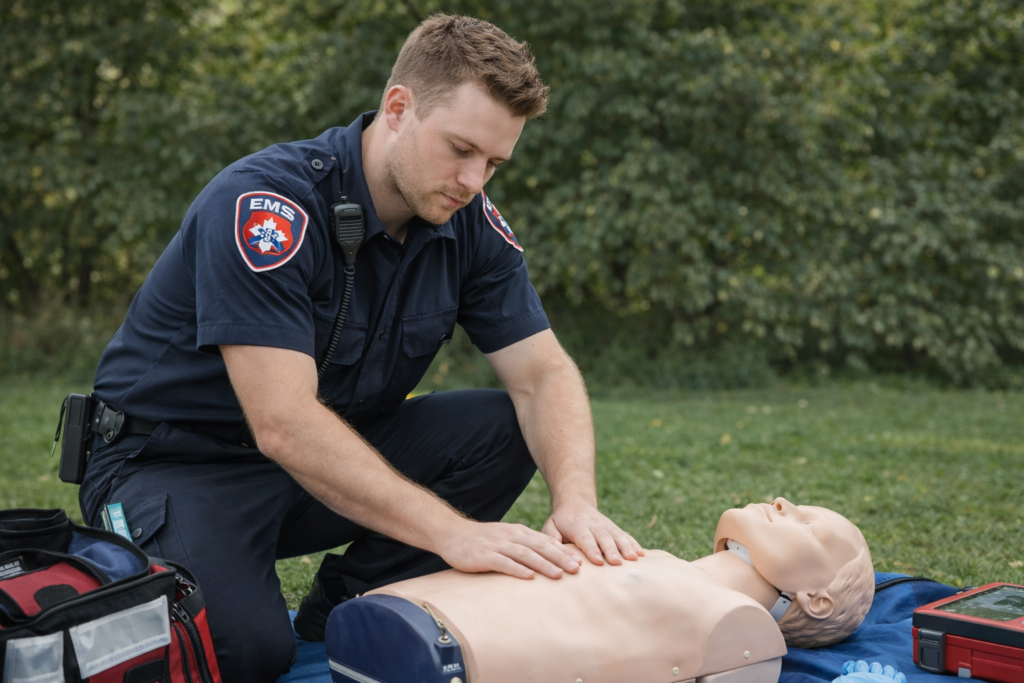
Most EMR programs run between 40 and 60 hours and are offered through community colleges, fire academies, and approved EMS training centers. Coursework typically covers:
Patient assessment and scene safety
Airway management and rescue breathing
CPR and AED use
Bleeding control and shock management
Spinal immobilization basics
Childbirth emergencies
After completing a recognized training program, candidates must pass the National Registry of Emergency Medical Technicians (NREMT) cognitive exam to earn national certification. Individual states may have additional licensing requirements, so it’s worth verifying your state’s EMS office guidelines before enrolling.
How to Prepare for the NREMT EMR Exam
The NREMT cognitive exam tests both knowledge and clinical reasoning. It’s computer-adaptive, meaning the difficulty adjusts based on your answers — which throws a lot of first-time test takers off guard.
The most effective preparation combines your classroom study with consistent, timed practice under exam conditions. Working through a focused EMR practice test helps you identify weak areas early, build confidence with question formatting, and simulate the pressure of the real exam — all before it actually counts.
Aim to review content by topic, then switch to full-length mixed practice sessions in the two weeks before your exam date.
Is an EMR Career Worth It?
Absolutely — and not just financially. The U.S. Employment for EMTs and first responders is expected to increase more quickly than the average for all occupations through 2032, according to Bureau of Labor Statistics projections. Typically, entry-level EMR positions pay between $30,000 to $45,000 per year, with greater salaries in specialized industries and urban regions.
More importantly, each shift counts. The training you put in now could save someone’s life tomorrow, the work is genuine, and the stakes are high.
If you’re serious about getting started, start with your state’s EMS requirements, sign up for a certified training program, and practice diligently to increase your exam readiness