
 By admin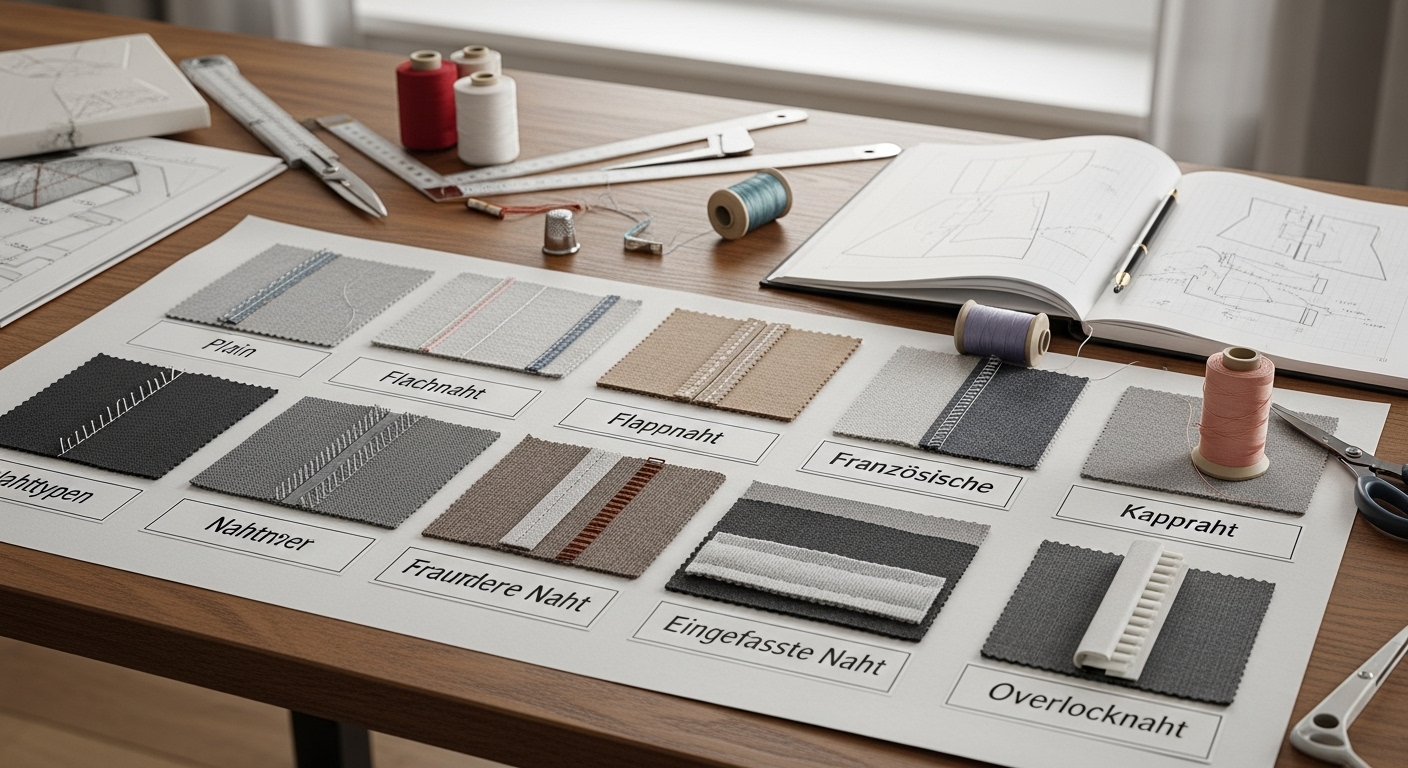
Seams are the unsung heroes of fashion design. While colors and fabrics often steal the spotlight, it’s the nahttypen—different types of seams—that define a garment’s structure and durability. Whether you’re stitching together a delicate blouse or crafting a robust pair of jeans, understanding these seam types is crucial to achieving both style and function.
In this exploration of nahttypen, we’ll uncover the secrets behind various seam constructions that can elevate your sewing projects. Each type has its unique characteristics and applications, making choosing the right one essential for your creative vision. Let’s dive into this fascinating world where precision meets artistry!
Understanding the Basics of Nahttypen (Seam Types)
Nahttypen, or seam types, are fundamental in fashion design. They dictate not only the look of a garment but also its durability and comfort.
Every seam serves a specific purpose. Some are meant to be decorative, while others focus on functionality. Understanding these nuances is vital for any designer or sewist.
The choice of seam can impact how the fabric behaves when worn and washed. For instance, certain seams lie flat against the body, creating sleek silhouettes. Others may add bulk or texture.
Familiarizing yourself with various nahttypen opens up a world of possibilities in your sewing projects. Each type has unique characteristics that affect both aesthetics and performance.
A well-chosen seam enhances the overall quality of the garment. It ensures longevity while providing an impeccable finish that speaks volumes about craftsmanship.
French Seam
The French seam is a favorite among designers for its delicate finish. It encases raw edges completely, making it ideal for lightweight fabrics like silk or chiffon.
Creating a French seam starts with sewing the fabric pieces together with wrong sides facing each other. This initial stitch is typically narrow and secure. Once completed, the fabric is trimmed before folding it over to enclose those raw edges.
This second stitching step ensures durability while enhancing aesthetics. The result? A refined look that adds sophistication to garments.
French seams are perfect for sheer fabrics where fraying can be an issue and give garments a polished touch without adding bulk. They are also commonly used in lingerie and blouses, showcasing craftsmanship alongside functionality.
Many find this technique rewarding as it elevates simple designs into elegant creations worthy of any wardrobe.
Flat-Felled Seam
The flat-felled seam is a favorite among fashion designers for its durability and clean finish. This seam creates a polished look while ensuring that raw edges are completely enclosed.
To create this type of seam, you start by sewing two fabric pieces together with a regular stitch. Next, one edge is trimmed before folding the other edge over it and stitching it down again. The result? A smooth, sturdy seam that stands up to wear and tear.
Often used in denim and shirts, the flat-felled seam can add an element of sophistication to any garment. It’s especially useful for items that require both strength and aesthetics.
When using this technique, consider your fabric choice carefully. Thicker materials work best to achieve the desired effect without compromising on comfort or flexibility.
Lapped Seam
The lapped seam is a versatile choice in garment construction, often employed for its durability and neat finish. This seam involves overlapping two pieces of fabric, which are then stitched together. It creates a strong bond that can withstand stress and wear.
Commonly found in jeans and sportswear, the lapped seam provides added strength along high-friction areas. Its distinct look adds an aesthetic appeal as well; it can highlight design features rather than hiding them.
Sewing this type of seam requires precision to ensure even overlap. The key is to maintain consistency throughout the length of the stitch for both functionality and appearance.
Choosing contrasting thread colors can elevate your project’s visual impact while utilizing this technique effectively showcases your sewing skills. Whether you’re crafting casual or formal attire, mastering the lapped seam broadens your fashion design repertoire significantly.
Welt Seam
The welt seam is a unique and stylish technique often used in tailored garments. It creates a clean, polished look that elevates the overall design.
This type of seam involves folding the fabric to create a narrow strip that hides raw edges. This not only adds durability but also enhances visual appeal. It’s particularly popular for pockets and cuffs, where it can showcase craftsmanship.
Sewing a welt seam requires precision. Careful measuring ensures perfect alignment and neatness. The result is an elegant finish that’s both functional and beautiful.
For those looking to incorporate this seam into their designs, practice is key. Experimenting with different fabrics will help you understand how they behave when stitched as welts.
Whether you’re designing formal wear or casual attire, mastering the welt seam can significantly enhance your sewing repertoire.
Bound Seam
The bound seam is a popular choice for finishing raw edges in fashion design. It involves encasing the fabric edge with bias tape or similar material, creating a neat and polished look.
This type of seam not only enhances durability but also adds visual interest to garments. The contrasting colors or patterns of the binding can elevate simple designs into something eye-catching.
Bound seams are particularly effective on fabrics that fray easily, as they prevent further unraveling. They work well in unlined jackets, skirts, and even bags where aesthetics meet functionality.
Sewing a bound seam requires precision. Properly aligning the binding ensures an even finish and keeps everything secure during wear. With practice, this technique becomes easier and can add a professional touch to any project.
How to Choose the Right Nahttypen for Your Garment
Choosing the right Nahttypen can make or break your garment. Start by considering the fabric you’re working with. Lightweight fabrics often benefit from delicate seams, while heavier materials require sturdier options.
Think about the garment’s purpose too. For pieces that need to withstand wear and tear, like jeans or workwear, opt for strong seams such as flat-felled or lapped seams.
Aesthetic appeal also plays a role. If you’re aiming for a clean finish on formal attire, consider using French seams for an elegant look.
Don’t forget about ease of construction. Some nahttypen are more complex than others; if you’re still mastering sewing techniques, choose simpler options first.
Take into account how visible the seam will be on the final product. This can guide your choice significantly in terms of both style and function.
Tips for Sewing Each Type of Seam
When sewing a French seam, start with wrong sides together. This technique encloses raw edges beautifully. Make sure to trim the seam allowances for a neat finish.
For flat-felled seams, press as you sew. It helps in achieving that clean, professional look. Use a slightly longer stitch length to avoid puckering.
Lapped seams require precision. Align your fabric carefully before pinning. A consistent seam allowance is crucial for an even appearance.
Welt seams can be tricky due to their layered nature. Use a walking foot if available; it helps feed multiple layers evenly through the machine.
When working on bound seams, choose bias binding that complements your fabric color and texture well. Take time to pin everything down first; this ensures accuracy during stitching.
Each type of seam has its quirks and benefits, so practice makes perfect!
Common Mistakes to Avoid When Working with Nahttypen
When working with Nahttypen, it’s easy to overlook essential details. One common mistake is selecting the wrong seam type for the fabric. Each material behaves differently; some require sturdier seams while others need delicate finishes.
Another frequent error is neglecting to pre-wash fabrics before sewing. Shrinkage can lead to wonky seams and unexpected fit issues, ruining your hard work.
Inadequate seam allowance is another pitfall. Not leaving enough room can compromise the strength of your seams and make alterations difficult later on.
Rushing through the process often results in uneven stitching or skipped steps. Take your time! Quality matters more than speed when it comes to achieving a polished look in garment construction.
Conclusion
When it comes to fashion design, understanding the different types of seams—Nahttypen—is essential for achieving both aesthetics and functionality in your garments. Each seam type has its unique characteristics that can enhance the overall look and durability of a piece. By mastering these techniques, you not only improve your sewing skills but also expand your creative possibilities.
Whether opting for a French seam for delicate fabrics or a flat-felled seam for sturdy constructions, choosing the right Nahttypen adds an element of professionalism to your work. Remember to consider fabric weight and garment style when making your selections.
Avoid common pitfalls by practicing each technique until you feel comfortable with them. This will lead to cleaner finishes and more polished garments that stand out in any wardrobe. With time and experience, you’ll find yourself selecting seams instinctively based on what best suits your project.
Embrace the world of Nahttypen as a vital aspect of fashion design that encourages innovation and expression through each stitch you make. Happy sewing!